Ganesh Datta
HostCTO & Co-founder of Cortex

Dan Sadler
VP of Engineering at Rootly
April 23, 2026

In This Episode
In this episode of Braintrust, Cortex co-founder and CTO Ganesh Datta sits down with Dan Sadler, VP of Engineering at Rootly. Dan shares how building a business-critical product forced Rootly to prioritize operational maturity far earlier than most companies would, and why that discipline is now paying off as AI coding tools push incident volumes higher across the industry.
They also discuss what a genuine reliability culture looks like in practice, the specific cadences Rootly uses to stay ahead of production issues, and why Dan believes the rising pace of AI-generated code makes the infrastructure around code more important than ever.
You’ll learn
Reliability is the product, not a feature of it. If the product is down when customers need it most, nothing else you shipped matters.
A culture that prioritizes reliability is forged by what you praise and reward. Want metrics to improve? The mechanism is public recognition: Slack kudos channels, all-hands callouts, and performance reviews.
There are huge benefits to cultivating operational maturity at Series A. Building a business-critical product forced Rootly into weekly operational reviews, daily dashboard tours, canary deploys, and chaos engineering far earlier than most companies.
Dogfooding builds the empathy that drives reliability. Rootly's engineers use their own on-call product, which gives them direct motivation to improve it. That empathy is hard to manufacture when your users look nothing like you.
AI is increasing incidents, and the answer is better infrastructure around code. Rootly sees incident volumes rising as AI coding adoption grows. Automated tests, canary deploys, and automated rollbacks create confidence regardless of who wrote the code.
Quotes
"A lot of engineers have forgotten that the job is not to write code. The job is to produce business value."
Dan Sadler
VP of Engineering at Rootly

"ARR is not just a sales number. ARR is engineering's metric too."
Dan Sadler
VP of Engineering at Rootly
"Even if that time goes to zero, say code is now free, software delivery is still incredibly slow because we've optimized only a single portion of that pipeline."
Dan Sadler
VP of Engineering at Rootly
"The demands on reliability do not go away. And if anything, they just continue to increase for us."
Dan Sadler
VP of Engineering at Rootly
Timestamps
(02:06)
Defining reliability as a cultural practice, not just a technical one.
(07:50)
How building a business-critical product changes what you invest in and when.
(10:31)
The weekly operational review and daily dashboard tour that keep Rootly ahead of production issues.
(14:54)
What to track at the infrastructure and application layers, and how to tie both back to user experience.
(21:56)
Why engineers need to connect their work to business value, not just code output.
(25:05)
How Rootly built the confidence to launch its on-call product as an early-stage company.
(31:01)
How Rootly rewards reliability-focused behavior across the organization.
(34:58)
Why AI coding tools are driving more incidents, and what to put in place before it gets worse.
Other episodes
Why DevOps Transformations Fail in Regulated Industries, with Merge Ready's Matt Bailey
Matt Bailey is a DevOps consultant and the founder of Merge Ready, a DevOps community and YouTube channel. He spends most of his time working with large regulated organizations across finance, healthcare, and government, helping them untangle the tooling decisions and processes that stall their software delivery.
In this episode of Braintrust, Matt and Cortex CTO Ganesh Datta dig into why buying a new CI/CD platform doesn't count as a DevOps transformation, what "decision latency" costs regulated organizations, and how to automate compliance.
May 21, 2026

Matt Bailey
Founder & Executive Producer at Merge Ready

Building a developer platform like a product: Inside The New York Times with Sneha Rao and Ahmed Bebars
At The New York Times, roughly 1,000 engineers build everything in the NYT ecosystem from breaking news notifications to games to the cooking app. A single team, ‘Developer Platforms,’ owns the infrastructure they all ship on, from CI/CD and runtime to SRE and FinOps. Sneha Rao leads the group as its VP of Product, and Ahmed Bebars is a principal engineer who works closely with Sneha.
In this episode of Braintrust, both Sneha and Ahmed, join Cortex CTO Ganesh Datta to dig into what it actually means to run a developer platform with a product mindset. They discuss how the team's rename from Delivery Engineering reshaped which conversations they were part of, and why centralizing both reliability and cost functions inside the Platform org leads to better decisions than keeping them separate.
May 7, 2026

Sneha Rao & Ahmed Bebars
VP of Product Management & Principal Engineer at The New York Times

From IC to VP: Engineering Leadership at Every Level, with Box's Tamar Bercovici
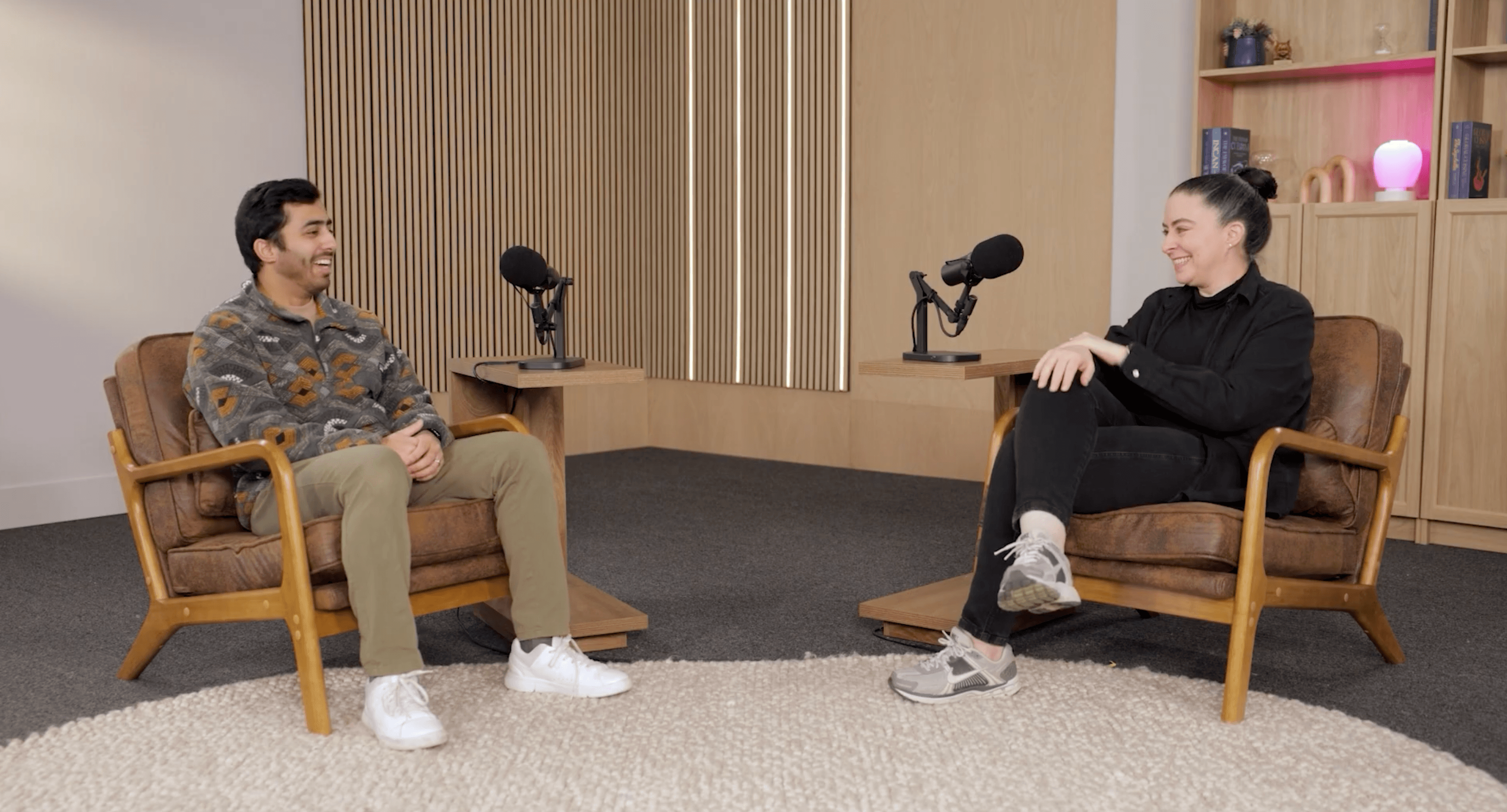
When Tamar Bercovici joined Box, the engineering team consisted of just 30 people. In the 15 years since, she's worked through every level of the leadership track in the organization and is currently the VP of Engineering. She leads the core platform, which is the backend layer that storage, search, metadata, and Box's AI capabilities all run on.
In this episode of Braintrust, Tamar and Cortex CTO Ganesh Datta get into what the job actually requires at each level from IC to VP, why the transition to a director-level role catches people off guard in a way the manager transition doesn't, and how platform teams make the case for their value when nothing they build has a user-facing feature attached to it.
April 9, 2026
Tamar Bercovici
VP of Engineering at Box